Business architecture: why growth is the most dangerous phase
A company doesn't break when things go wrong. It breaks when they go well. What happens to companies going from 5M to 15M, and why growing revenue is the most ambiguous management signal.
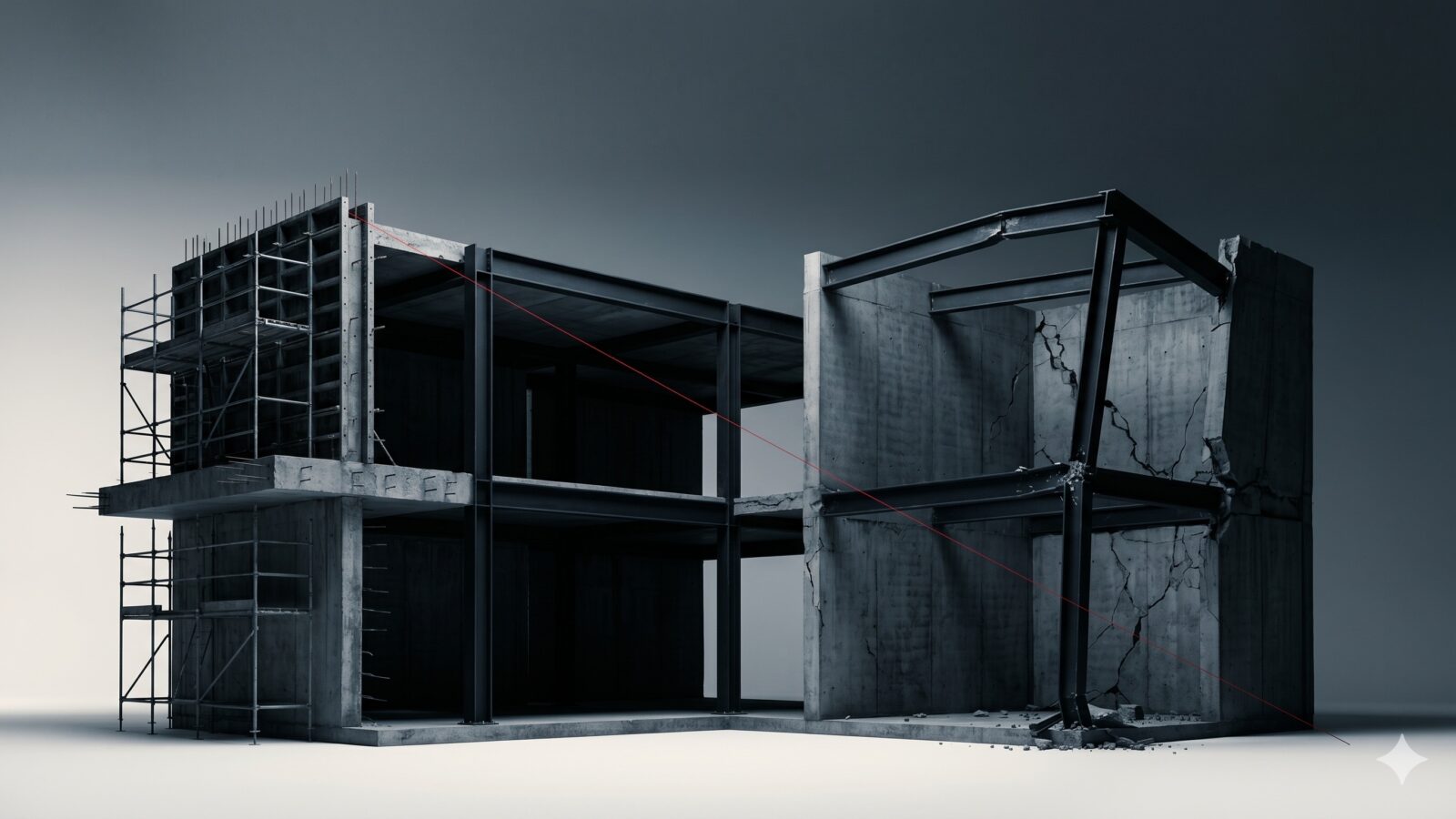
There’s a moment in the life of a company when everything seems to finally click. Numbers are climbing, the phone keeps ringing, deals close. The founder looks at the quarterly revenue and thinks: finally.
It’s the most dangerous moment of their professional life.
I’ve worked with founders for twenty years and I’ve seen the same scene repeat itself so many times that now I recognize it months before it happens. A company growing at 15-20% a year suddenly accelerates. Maybe a major client comes in, maybe a new channel opens, maybe a product takes off. Within 12-18 months, revenue doubles. The founder is euphoric. Six months later, they’re in crisis.
It’s not a coincidence. It’s mathematics.
Growth doesn’t break companies. It reveals them.
A $5M company is not a smaller version of a $15M company. It’s a different machine. It needs different controls, different processes, different finance, different roles.
When a $5M company grows to $15M, the founder keeps running it as if it were still the same company as before. Same sales team, same accountant, same two-person admin department. Same logic: “we’ll handle it, we’ll make it work, we’ve always done it this way.”
And they do make it work. For a while. Then the machine breaks, always at one of the two weakest points.
Breaking point 1 · Cash
The first thing that snaps is finance, and almost always in the same way: revenue growth without proportional cash growth.
You’re selling more, but collecting later. Inventory doubles. Big clients pay at 90-120 days instead of the 60 days small ones did. Suppliers, seeing the company grow, stop extending credit because “they can afford it now.” Margin stays the same in percentage terms, but in absolute value the need for working capital explodes.
Result: the company doubles its revenue, is “healthier than ever” on paper, and can’t make payroll at the end of the month.
The founder watches the bank balance drop and doesn’t understand. I’m selling more, why am I running out of money?
Because growth has a cost no one budgeted for. And because that cost isn’t on the income statement (which is improving), it’s in working capital (which is getting worse).
Breaking point 2 · Structure
The second breaking point is less visible financially, but more dangerous over the long term: the organizational structure doesn’t scale.
When the company was small, everything worked thanks to people. Three or four key figures who knew how to do everything, who talked to each other in the hallway, who handled exceptions with common sense. No formal processes, no written procedures. Yet it worked. Actually: it worked well, precisely because it was informal, fast, based on trust.
Then the company grows. Ten new hires arrive in a year. The veteran salesperson can no longer follow all the clients. Administration finds itself buried under invoices, orders, controls, reconciliations that used to be managed “by feel.” Key people stop sleeping at night, make mistakes, lose quality.
And here the most dangerous paradox happens: the company starts losing clients exactly at the moment when it’s acquiring new ones. Services deteriorate, response times lengthen, quality drops. Old clients notice first.
Result: you grow from the side of new entrants, you lose from the side of those who were already inside. Net growth: often negative, and no one sees it because everyone is only looking at signed new contracts.
Why this happens almost every time
There’s a deep reason why these two collapses happen in the same period, and it’s important to understand it so you don’t suffer through it.
When a company is small, work coincides with structure. People do things, and those things, added up, are the company. There’s no separation between who thinks and who executes, between strategy and operations. It’s all one block held together by the founder.
When the company grows, this coincidence breaks. The quantity of work exceeds people’s capacity to manage it. You need systems that work independently of people. You need processes anyone can execute. You need cash management that doesn’t depend on the founder’s “gut feeling” about the bank balance. You need an org chart with clear responsibilities, not everyone doing everything.
In other words: you need architecture.
And architecture is exactly what nobody builds while growing. Because it’s a slow, expensive, apparently unproductive thing, while around you the company is exploding with orders.
It gets postponed. Always. Until the breaking point.
What should be done, and almost no one does
A growing company should do three things, but rarely has the time or attention to do them.
The first: stop looking only at revenue. Revenue is the least significant number in moments of growth. The number that counts is free cash flow projected to 12 months, with an honest analysis of working capital. If you’re selling more but working capital is exploding, you’re burning capital and you don’t realize it.
The second: invest in structure before you need to. Not when the company is in crisis, but when it’s growing well. It’s the only moment when you have margin to build processes, and when people have mental energy to learn new ways of working. Waiting for the crisis guarantees you’ll never have time again.
The third: separate roles and responsibilities before it becomes an emergency. The founder who handles sales, finance, operations, and big client relationships is not a hero. They’re a single point of failure. Building a management layer is always premature, until the day it’s too late.
Architecture, not urgency
When a founder calls me because “their company is growing too fast,” the first thing we do is not look at sales. We look at architecture.
That is: the invisible machine that should sustain that growth. The financial structure, the org chart, the processes, the governance. Everything that exists behind revenue and that no one ever looks at until it breaks.
Companies that grow and last are not the ones that sell more. They’re the ones that first build the chassis, then fill it.
This is the work of the business architect. Not repairing crises. Designing so you don’t have them.